Small Hydro Power Can Play Distinctive Role in India’s Clean Energy Transition: Shripad Yesso Naik
Small Hydro Power (SHP) can play a significant role in strengthening India’s clean energy transition, energy security and decentralised power generation, particularly in remote and geographically challenging regions, Union Minister of State for New and Renewable Energy and Power Shripad Yesso Naik said. Speaking at the curtain-raiser programme for the dedicated SHP session at the […]
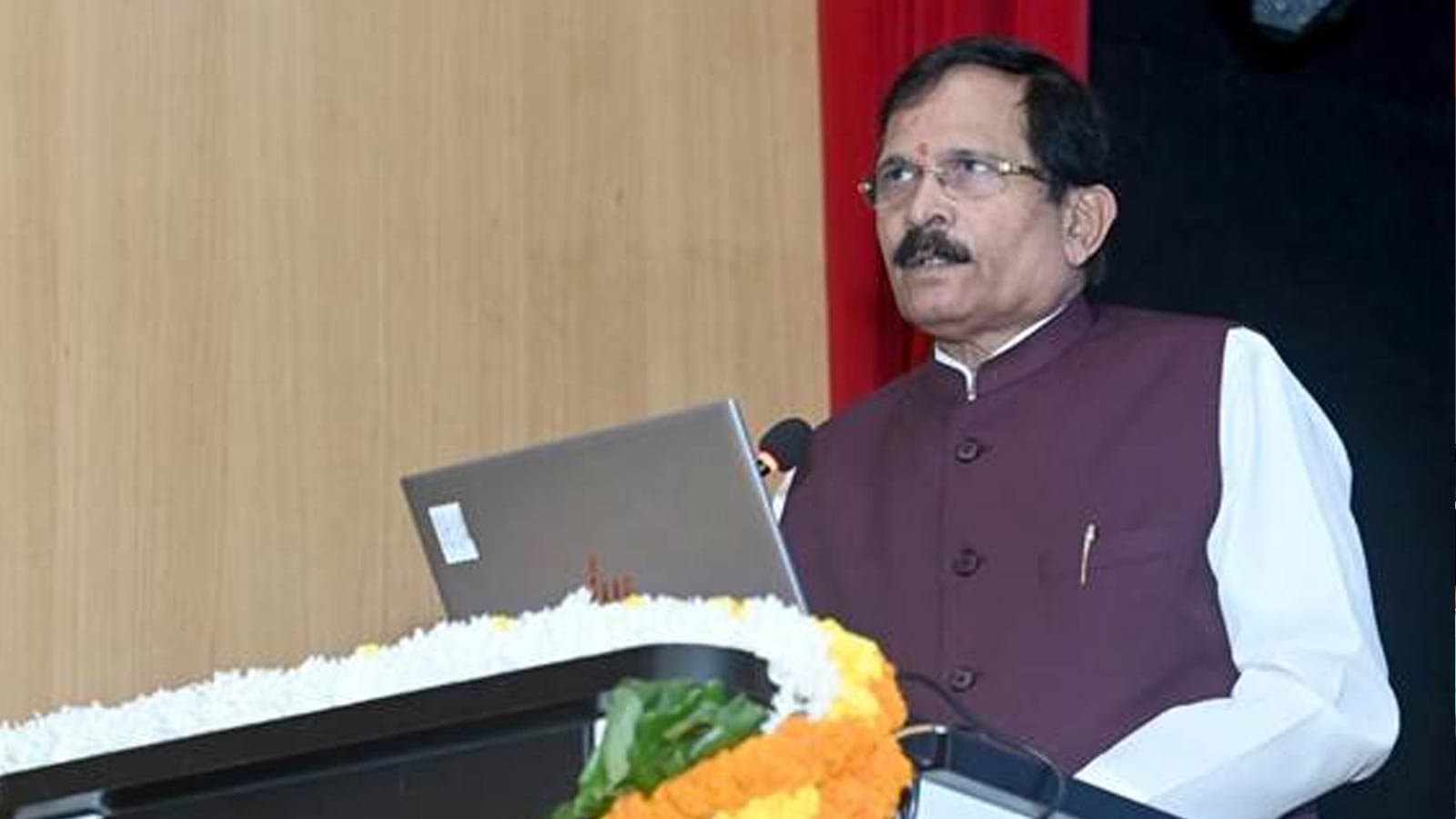
Small Hydro Power (SHP) can play a significant role in strengthening India’s clean energy transition, energy security and decentralised power generation, particularly in remote and geographically challenging regions, Union Minister of State for New and Renewable Energy and Power Shripad Yesso Naik said.
Speaking at the curtain-raiser programme for the dedicated SHP session at the Bharat Renewable Energy Summit & Expo 2026 in New Delhi, Naik emphasised the need for a diverse and resilient renewable energy portfolio suited to India’s geography and development needs.
India has an assessed Small Hydro Power potential of around 21 GW across more than 7,100 identified sites. However, only about 5.2 GW of this potential has been harnessed so far, highlighting significant scope for further development.
According to Naik, SHP can contribute beyond additional generation capacity by supporting decentralised electricity supply, employment generation and socio-economic development in remote areas. Where technically and environmentally feasible, run-of-river projects can also offer renewable power with relatively lower land requirements and without the large-scale submergence and displacement associated with major reservoir-based projects.
The Minister highlighted the government’s proposed Small Hydro Power Development Scheme for 2026-27 to 2030-31, which has an outlay of ₹2,584.60 crore. The scheme targets the development of around 1,500 MW of new SHP capacity and seeks to incentivise states to prepare Detailed Project Reports (DPRs) for approximately 200 projects.
Naik also called for stronger collaboration among the Centre and state governments, project developers, financial institutions, technology providers and investors. He stressed the importance of policy certainty, streamlined approvals, improved ease of doing business, stronger Centre-State coordination and enhanced project bankability.
MNRE Secretary Santosh Kumar Sarangi identified long project lead times as one of the key challenges facing hydropower development. Delays in forest, environmental and right-of-way clearances can affect project execution timelines, he noted.
Sarangi also highlighted the need to improve the bankability of SHP projects, given their distinctive cash-flow profiles and requirement for long-term patient capital. He urged the Indian Renewable Energy Development Agency (IREDA) to work with banks and multilateral institutions, including the Asian Development Bank and the World Bank, to facilitate greater access to such financing.
The dedicated Small Hydro Power session at the Bharat Renewable Energy Summit & Expo 2026 is scheduled for November 2–5 at Bharat Mandapam, New Delhi. The session will focus on policy reforms, investment, financing, technology and partnerships for the development of India’s small hydro sector.