Rajasthan Tops PM-KUSUM Component A, Ranks Third in Solar Pump Installations
Rajasthan has emerged as India’s leading state in deploying decentralised solar power plants under the Pradhan Mantri Kisan Urja Suraksha evam Utthaan Mahabhiyan (PM-KUSUM) while securing the third position in standalone solar pump installations, according to data presented in the Lok Sabha. Under Component A of the PM-KUSUM scheme, which supports decentralised solar power plants […]
Rajasthan has emerged as India’s leading state in deploying decentralised solar power plants under the Pradhan Mantri Kisan Urja Suraksha evam Utthaan Mahabhiyan (PM-KUSUM) while securing the third position in standalone solar pump installations, according to data presented in the Lok Sabha.
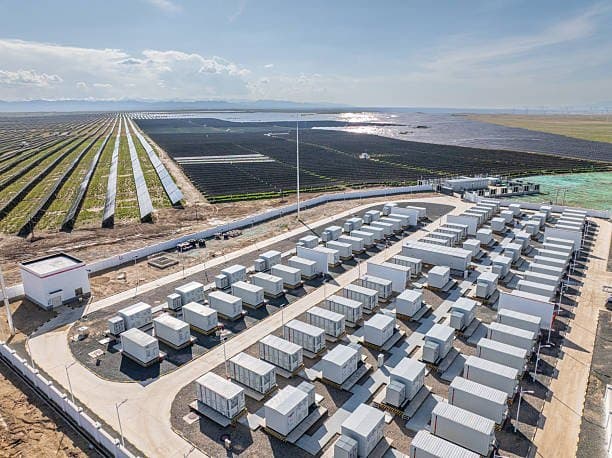
Under Component A of the PM-KUSUM scheme, which supports decentralised solar power plants of up to 2 MW on farmers’ land, Rajasthan has commissioned more than 1,236 MW of solar capacity since FY 2021-22, the highest among all states. During the first quarter of FY 2026-27, the state added 500.09 MW, contributing nearly 74% of the 673.97 MW installed across the country during the period.
Rajasthan has also made significant progress under Component B, installing 127,639 standalone solar pumps between FY 2020-21 and June 2026. While Maharashtra leads with 551,971 installations, followed by Haryana with 194,969, Rajasthan ranks third nationwide. Uttar Pradesh and Jharkhand complete the top five states. Across India, more than 1.149 million standalone solar pumps have been installed under the scheme.
The state’s momentum has continued during the current financial year, with 27,701 standalone solar pumps installed up to June 2026. This follows the installation of 33,713 pumps in FY 2025-26 and 31,588 pumps in FY 2022-23.
Under Component C, which promotes the solarisation of grid-connected agricultural pumps and feeders, Rajasthan solarised 168,000 agricultural pumps in FY 2025-26 and an additional 29,887 pumps during the current financial year up to June.
The Central Government noted that PM-KUSUM is a demand-driven programme, with state-wise allocations based on proposals submitted by state governments and their implementation performance. It added that factors such as farmer participation, land availability, timely release of state financial support and feeder segregation have played a key role in determining implementation progress.
The government also cited an independent third-party evaluation by PTC India Ltd., which found that PM-KUSUM has significantly accelerated decentralised renewable energy deployment in Rajasthan. The assessment highlighted improved irrigation reliability and an estimated 40% increase in farmers’ incomes through the adoption of solar-powered irrigation systems, reinforcing the state’s leadership in agricultural solarisation.