India Needs 10 GWh Battery Storage to Prevent Renewable Energy Curtailment: Ember
India requires an immediate deployment of nearly 10 GWh of battery energy storage to prevent renewable electricity from being wasted as coal-fired power plants struggle to operate below their minimum technical limits, according to a new analysis released by global energy think tank Ember. The report highlights that India’s rapidly growing solar capacity is producing […]
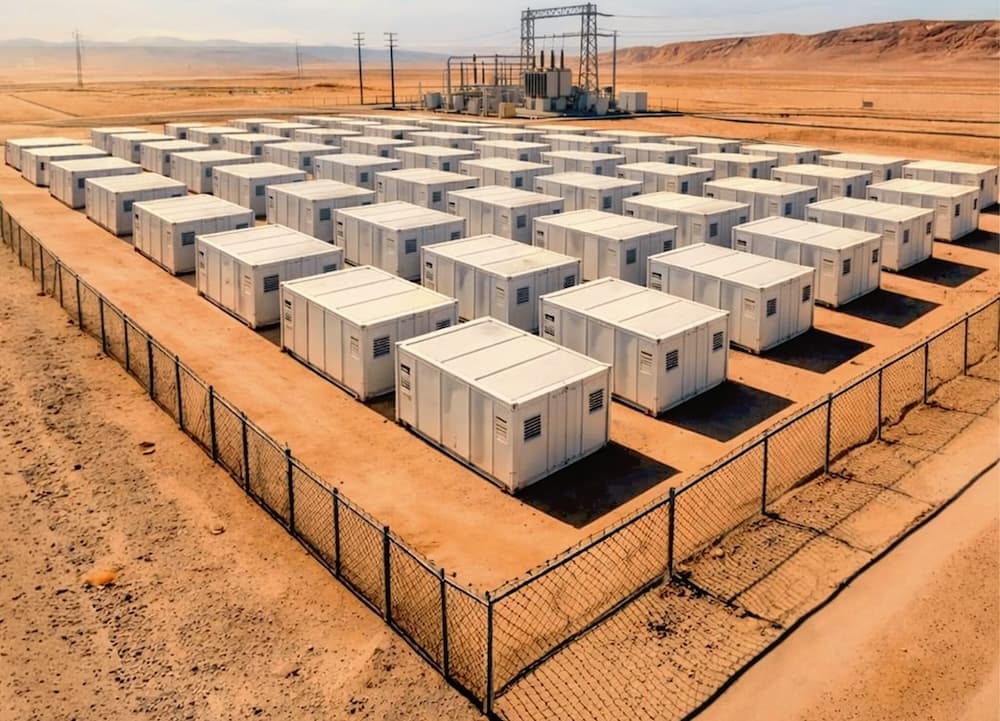
India requires an immediate deployment of nearly 10 GWh of battery energy storage to prevent renewable electricity from being wasted as coal-fired power plants struggle to operate below their minimum technical limits, according to a new analysis released by global energy think tank Ember.
The report highlights that India’s rapidly growing solar capacity is producing large amounts of electricity during midday, but the grid is increasingly forced to curtail renewable generation because coal power plants cannot reduce output beyond their minimum technical load (MTL). Since coal plants must remain operational to meet evening demand and provide essential grid reserves, excess renewable electricity is often discarded instead of being utilized.
Over 2 TWh of Renewable Energy Curtailed
According to Ember’s analysis, India curtailed approximately 2.1 TWh of renewable electricity during FY 2025-26, representing around 1.3% of the country’s total renewable generation. The study estimates that 10 GWh of battery storage would have been sufficient to store the surplus midday renewable electricity and release it later during peak demand, eliminating the need for curtailment caused by coal plant operating constraints.
Coal Fleet Faces Increasing Operational Pressure
The report explains that coal power stations continue to provide most of India’s grid flexibility and ancillary services. However, with the rapid expansion of solar power, coal plants are now forced to ramp down significantly during daylight hours and quickly increase generation again after sunset.
On March 6, 2026, solar and wind together contributed nearly 41% of India’s electricity generation during midday, leading coal generation to decline by almost 49 GW within six hours before ramping up by 51 GW in the evening as solar output dropped.
Such frequent deep cycling was never part of the original design of India’s coal fleet, placing additional operational stress on these plants.
Structural Constraint Behind Renewable Curtailment
Ember notes that most coal plants cannot safely operate below approximately 55% of their rated capacity. Once this technical threshold is reached, further increases in renewable generation cannot be accommodated, forcing grid operators to curtail clean electricity instead.
By April 2026, coal plants were operating at their minimum technical load during more than half of all midday dispatch intervals. Renewable curtailment accounted for nearly 37% of the grid’s down-regulation requirements, a sharp increase from almost negligible levels a year earlier.
The report describes this as a structural challenge, where renewable energy is curtailed simply because coal plants must remain online, even before considering reserve requirements or transmission constraints.
Solar Capacity Continues to Expand
India added approximately 24 GW of new solar capacity between October 2025 and April 2026, increasing the country’s total installed solar capacity to around 154 GW.
Despite April typically being outside the peak renewable curtailment season, curtailed solar and wind generation returned to nearly 4% during peak daylight hours, indicating that grid flexibility challenges are becoming more pronounced as renewable deployment accelerates.
Battery Storage Seen as the Immediate Solution
The report concludes that large-scale battery energy storage systems will play a critical role in balancing India’s power system by storing excess daytime renewable electricity and supplying it during evening demand peaks. Expanding battery storage capacity could significantly reduce renewable energy wastage, improve grid reliability, and support India’s long-term clean energy transition while reducing operational stress on conventional coal-fired power plants.