Honeywell Technology Chosen for Brazil Renewable Fuels Project
Honeywell has been selected to provide its advanced processing technology and automation solutions for a major renewable fuels facility being developed by Acelen Renewables in Bahia, Brazil. The project is designed to produce Sustainable Aviation Fuel (SAF) and renewable diesel, supporting the global transition toward cleaner transportation fuels. The company announced that the facility will […]
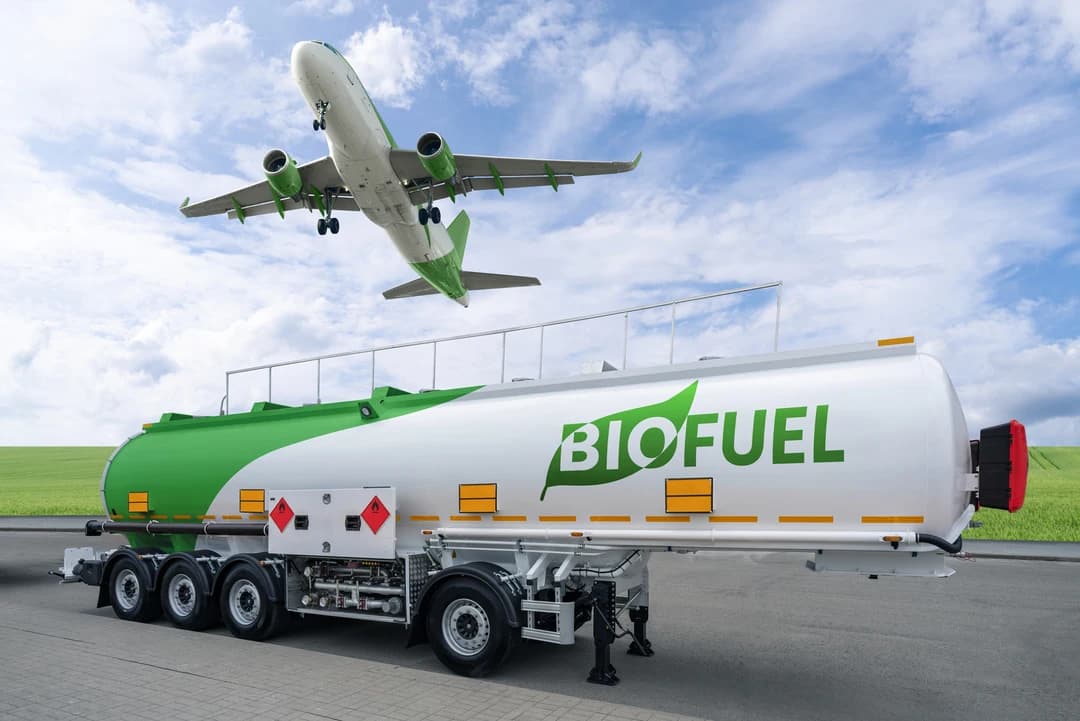
Honeywell has been selected to provide its advanced processing technology and automation solutions for a major renewable fuels facility being developed by Acelen Renewables in Bahia, Brazil. The project is designed to produce Sustainable Aviation Fuel (SAF) and renewable diesel, supporting the global transition toward cleaner transportation fuels.
The company announced that the facility will utilize Honeywell’s Ecofining™ technology, along with integrated pumps, compressors, control systems, and plant safety solutions to improve production efficiency and operational reliability.
Supporting the Growth of Sustainable Aviation Fuel
Demand for Sustainable Aviation Fuel is expected to rise significantly as the aviation industry works to reduce carbon emissions. Industry projections indicate that global SAF demand could approach 500,000 barrels per day over the next decade, encouraging refiners and energy companies to accelerate investments in renewable fuel production.
The Bahia facility aims to strengthen Brazil’s renewable fuel industry while contributing to the growing supply of lower-carbon aviation fuels.
Ecofining Technology to Convert Waste into Clean Fuel
Honeywell’s Ecofining process, developed in partnership with Italian energy company Eni, converts waste-based feedstocks—including used cooking oil, animal fats, and greases—into renewable diesel and Sustainable Aviation Fuel.
According to Honeywell, fuels produced using this technology can reduce greenhouse gas emissions by up to 80% compared to conventional fossil-based jet fuel when blended appropriately.
Modular Plant Design to Reduce Costs
Honeywell said the renewable fuels project will also benefit from its modular plant construction approach, which is designed to shorten project development timelines, simplify installation, and reduce capital costs compared with traditional plant construction methods.
The company has deployed more than 1,500 modular process units worldwide across multiple industrial sectors, demonstrating the scalability of its engineering solutions.
Advanced Automation for Efficient Operations
The Bahia facility will incorporate Honeywell’s Experion Process Knowledge System (PKS), an advanced automation platform that integrates plant monitoring, process control, and operational safety into a unified system. The digital platform is expected to enhance production efficiency while improving plant reliability.
Driving Brazil’s Renewable Energy Transition
Acelen Renewables said the project reflects its commitment to producing sustainable fuels while balancing environmental responsibility with economic growth. Honeywell believes advanced process technologies and automation will help renewable fuel producers improve operational efficiency, reduce production costs, and expand the use of lower-cost renewable feedstocks.
As investment in Sustainable Aviation Fuel continues to grow globally, projects like the Bahia renewable fuels facility are expected to play a key role in decarbonizing the aviation sector and supporting cleaner energy systems.